



Nowadays, the craze for healthy eating has evolved from a fairly niche subculture into a mass phenomenon across the globe. Now it is not just fruit juice enthusiasts and morning joggers who count their calories, but also people who were previously far removed from physical exercise who are carefully choosing what they eat and drink. More and more of our fellow citizens are paying attention to the ingredients listed on food labels in supermarkets, and when making purchases, they are guided not only by price and appearance, but also by the nutritional content.
One of the latest innovations in the food industry is vitamin-enriched (fortified) products. The market is adapting to public demand, which is why almost everything is now fortified with vitamins and trace elements — from mineral water to glazed bars and bread.
Kristina Lobanovskaya, a nutritionist and member of the Ukrainian Dietitians’ League, discussed whether it is worth buying vitamin-enriched foods at all and whether they actually provide any real benefits to the body.
Vitamin and mineral deficiencies are a pressing issue right now. It’s no secret that, in most cases, we don’t get the recommended daily intake of essential nutrients. This is primarily due to eating habits and the typical shopping basket of the average Ukrainian, which consists mainly of pasta, bread and pastries, and potatoes.
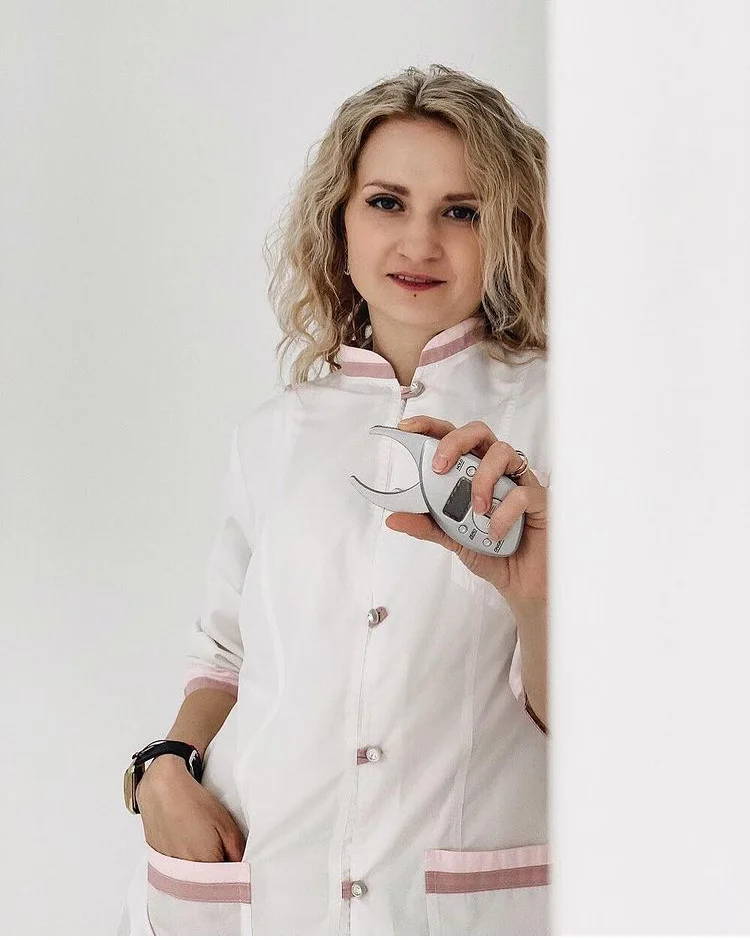
Kristina Lobanovskaya
‘And that’s not even the worst of it. So-called “junk food” — ready meals, fast food, sweets, fizzy drinks and other unhealthy food — makes up a significant proportion of our compatriots’ shopping basket. Vegetables, fruit and herbs only appear on the table seasonally and are limited by regional characteristics. An unbalanced diet leads to deficiencies in macro- and micronutrients, as well as various types of vitamin deficiency. This is precisely the root cause of many diseases,” notes Lobanovskaya.

Kristina Lobanovskaya
nutritionist
The nutritionist believes that wholemeal bread, cereals, cheese, lean poultry, olive oil, eggs, herbs, vegetables and fruit on the table all year round could significantly improve the situation, but the population’s purchasing power is low, and by no means everyone can afford a varied diet. According to statistics, one in two Ukrainians suffers from vitamin deficiency. A lack of nutritional knowledge also plays a negative role.
Meanwhile, preventing illnesses and vitamin deficiencies is the most cost-effective way of treating them. This is where vitamin-enriched foods come to the consumer’s aid.
Kristina Lobanovskaya believes that vitamin-enriched foods can help make a diet more balanced; however, one must be very careful when choosing such foods.
‘These days, vitamins are added to almost everything: flour, bread, water, milk, juices, protein bars, even beer. It’s important to realise that there’s a marketing angle to this – often, to put it mildly, we’re being sold substandard products that have been released onto the market without laboratory testing. That’s why we need to read the ingredients carefully and study the labels. “The percentage of the average daily requirement for vitamins or trace elements per serving, as recommended by the World Health Organisation, must be clearly stated,” says the expert.

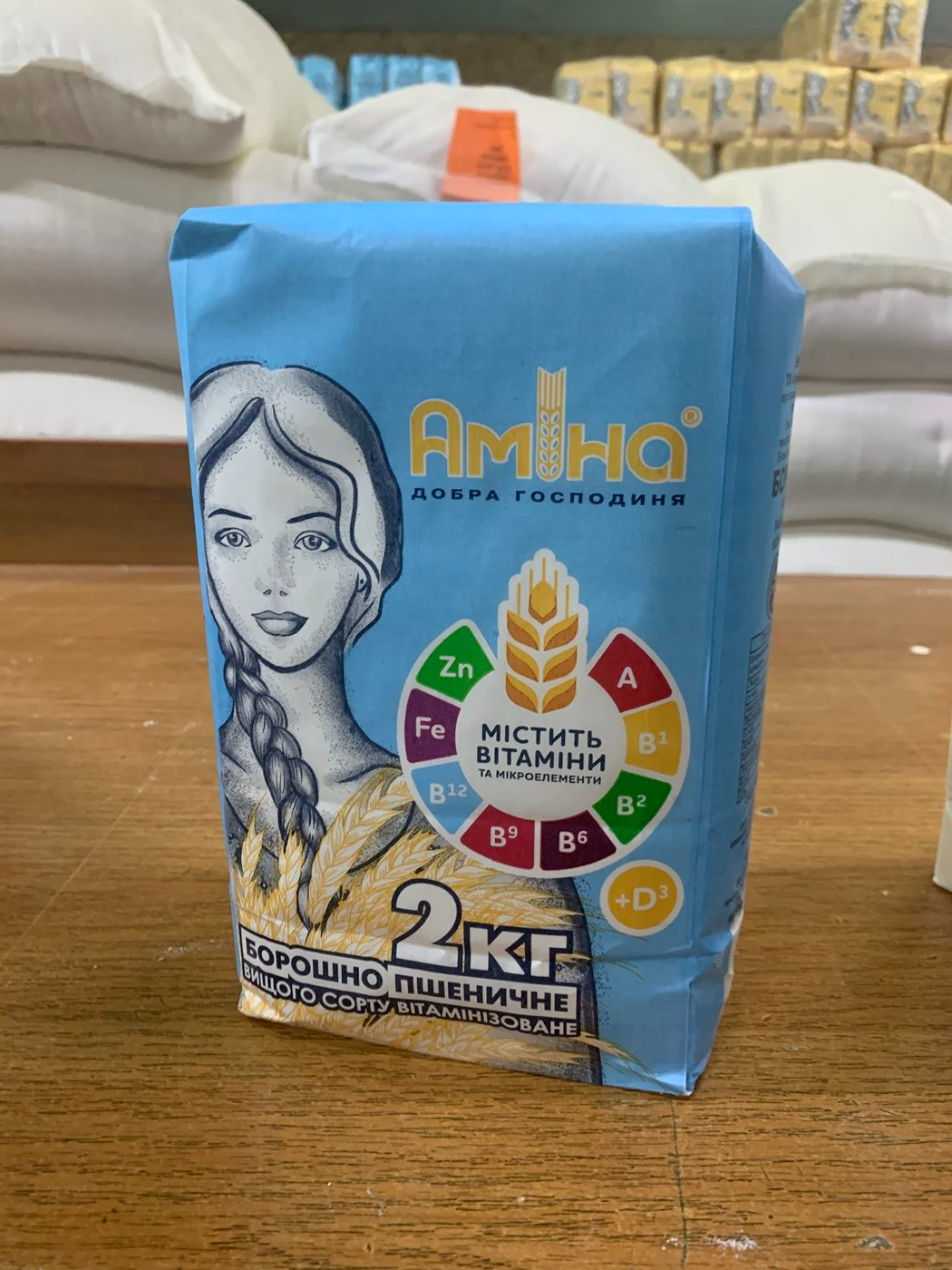
Enriched flour, which has only recently appeared on the shelves of Ukrainian shops (in our country it is produced by the ‘Amina’ brand), is designed to help balance the Ukrainian diet. This is particularly true given that the price of ‘Amina’ is no different from that of premium-grade flour. Furthermore, it is important to recognise that bread and bakery products remain an indispensable part of the diet, and so it is hardly surprising that it is flour that is being enriched with nutrients. In this regard, Ukraine has followed the lead of many other countries: flour is successfully fortified in Europe and North America, as well as in the former Soviet republics of Moldova, Kazakhstan, Uzbekistan and Kyrgyzstan. In Germany, Canada, the USA, the UK and France, flour fortification is enshrined in law. There are also recommendations from the WHO and other humanitarian organisations. In addition to iron, zinc and folic acid, fortified flour contains a complex of vitamins that are essential for the human body.
“During heat treatment (baking in the oven), an average of 20 per cent to 40 per cent of nutrients is lost, but this is not a major concern,” the expert emphasises.
Vitamin-enriched protein bars are another essential part of a healthy diet, according to the nutritionist. Kristina Lobanovskaya emphasises that you should look for bars with no added sugar (for example, those sweetened with stevia). It is precisely this kind of tasty and practical product that can meet your protein and vitamin needs without excess fat. They are ideal for people who exercise, as a source of energy, as well as for building muscle mass and repairing tissues. However, due to their high calorific value, people watching their weight should be careful when consuming such bars.
Breakfast cereals — such as cornflakes, muesli and granola — are also a welcome addition to a healthy person’s diet. They already contain sufficient amounts of beneficial micronutrients, and many manufacturers further enrich their products with vitamins and add nuts, dried fruit and berries. It is best to choose whole-grain products and read the ingredients list carefully — the fewer artificial ingredients, the better. Many breakfast cereals contain palm olein. Lobanovskaya believes there is no need to be wary of it: palm oil is not harmful to health, particularly in the quantities found in cereals. Consumers should, however, be much more cautious about the sugar contained in breakfast cereals. Sugar-free products are the best option.
Water enriched with beneficial substances — a recent innovation — is also finding its market. As well as the minerals it naturally contains, this water is further enriched with selenium, iodine and zinc. Furthermore, there are several varieties of such water: watermelon, collagen, ginger, hydrogen and others. The nutritionist points out that no serious clinical studies have yet been carried out in this country on the benefits of vitamin-enriched water for the body, so one should approach the choice of such products with the utmost caution.
‘It certainly won’t do any harm, of course, but the benefits will be minimal if the water contains natural flavourings rather than extracts. Alkaline water is a different matter altogether. It helps prevent disease, slows down the ageing process, inhibits the formation of free radicals and flushes out toxins. Hydrogen helps trigger the synthesis of collagen and elastin. Aloe vera water, for example, is quickly absorbed by the cells, helping to improve calcium metabolism. “However, you need to be careful with vitamin-enriched sparkling water — it contains a lot of excess sugar and various additives,” says Lobanovskaya.
Vitamin-enriched teas have been available on the domestic market for quite some time now. They used to be imported, but now the shelves are full of such products from a Ukrainian manufacturer. Kristina Lobanovska points out that when brewing this type of tea, boiling water destroys the vitamins it contains. It may not be harmful to health, but it certainly doesn’t offer any benefits either.
The expert points out that even a rather unusual product such as vitamin-enriched non-alcoholic beer (!) has appeared in supermarkets. Yes, this is no joke. The nutritionist is convinced that brewer’s yeast, sugar and vitamins are — to put it mildly — not the best combination. If you want to relax and unwind, just have a normal beer. But in moderation.
And finally — sunflower oil with vitamins. This is a long-established and widely advertised product. However, be careful: almost all the beneficial substances are lost during heat treatment. Therefore, if you fry with this oil, be prepared for the fact that there will be little nutritional benefit.
‘Sugar-free products are the best option,’
says Kristina Lobanovskaya
Conclusion. Vitamin-enriched foods can be an excellent source of nutrients beneficial to the body and help to make up for any deficiencies. For those who advocate a healthy and balanced diet, such products are truly indispensable. However, it is important to exercise caution and examine the ingredients very carefully.
About the author:
Kristina Lobanovskaya is a practising dietitian, nutritionist and wellness coach. She is a member of the Ukrainian Dietitians’ League. She is the author of weight-loss programmes and a trainer at the International School of Dietitians. She has over six years’ experience in the field of dietetics and healthy eating. She has participated in international conferences on dietetics.
