


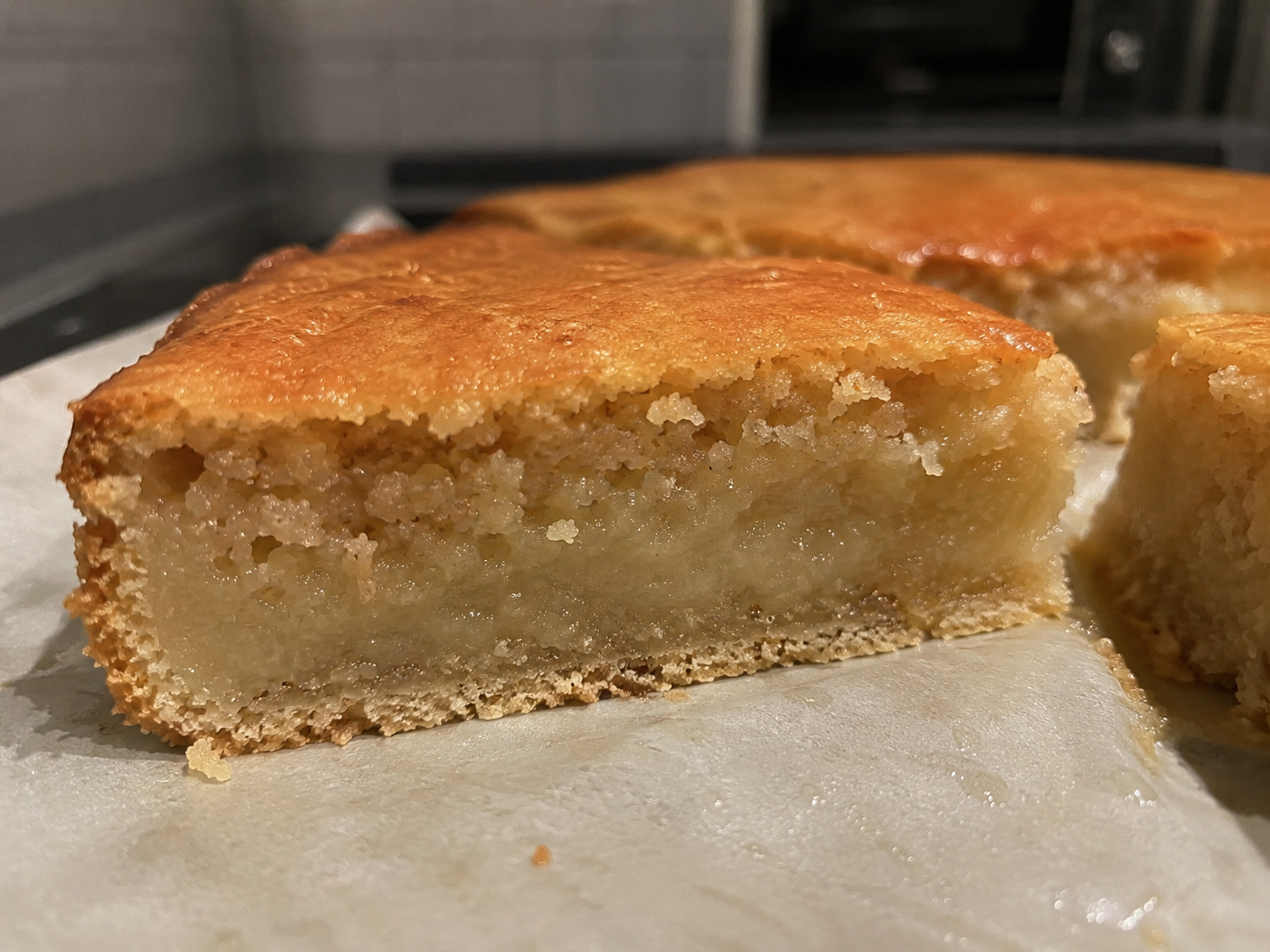
A pie can be beautifully browned on top, but remain raw inside or on the bottom. This situation is familiar to many: it seems that the pastry is ready, but after cutting it turns out that the dough is wet and unbaked.
The reason is not always the oven. The result is affected by the temperature, thickness of the dough, the amount of moisture in the filling, the baking dish and even the properties of the flour.
1. Too much moisture in the filling
Juicy berries, fruits, cheese or other moist fillings can give off water during baking. If there is a lot of it, the bottom layer of the dough may not have time to dry out and bake.
This is especially important for pies with juicy fruits and berries.
What you can do:
- do not use an excessive amount of filling;
- pay attention to its moisture content;
- for some recipes, use an additional dry component, if the recipe requires it.
2. The oven temperature is too high
If the temperature is too high, the top of the pie may brown quickly while the middle and bottom are still raw.
In this case, you should not focus only on the color of the top crust. Readiness should be checked comprehensively.
3. The pan is not where it should be
The position of the pan in the oven affects how the cake bakes.
If the top starts to darken too quickly and the bottom remains raw, you should pay attention to the heating mode and the position of the pan.
4. The dough layer is too thick
The thicker the dough layer, the longer it takes to bake evenly.
If you make a very thick base instead of a thin layer, the top may already be ready when the dough inside is still moist.
5. The pan is not selected correctly
The size and material of the pan can affect the speed and uniformity of heating.
If you take a much smaller pan and make a high layer of dough, the baking time may differ from that indicated in the recipe.
6. Incorrect flour-liquid ratio
Another reason is an excess of liquid compared to the amount of dry ingredients.
At the same time, you should not assume that the same proportion of flour and water or milk works for any recipe. Different types and grades of flour may differ in their properties and ability to absorb water.
That is why when working with dough, it is important to focus not only on the numbers in the recipe, but also on the consistency of the dough.
If you are experimenting with different types of flour, pay attention to the AMINA flour assortment and its characteristics.
7. The pie simply did not have time to bake
The baking time in the recipe is a guideline, not an absolute value. It is affected by the size of the mold, the amount of dough, the filling, the characteristics of the oven and the temperature of the products.
Therefore, the same cake in different ovens may require different times.
How to check the readiness of the cake
One of the easiest ways is to check the cake with a wooden skewer. It should come out without raw dough.
Also pay attention to:
- the color of the crust;
- the structure of the middle;
- the elasticity of the dough;
- the absence of raw mass near the filling.
What to do if the pie has already been taken out, but it is raw
If the pie has not yet cooled down and remains raw inside, you can return it to the oven and continue baking.
If the top is already very browned, you can protect it from excessive heating so that the middle has time to reach readiness.
Focus primarily on the condition of the pie itself, and not just on the time.
How flour affects the result of baking
Flour is one of key ingredients of the dough. Its properties affect how much liquid the dough will hold and what its structure will be after baking.
That is why replacing one type of flour with another without adjusting the recipe can sometimes change the consistency of the dough and the result of the finished product.
This is especially noticeable when working with different types of flour – for example, whole grain, rye or durum wheat flour.
Conclusion
If the bottom of the pie remains raw, do not rush to blame the oven. Check the amount of moisture in the filling, the thickness of the dough, the temperature, the shape and the ratio of ingredients.
And if the problem repeats itself with different recipes, pay attention to the flour and its properties. They can significantly affect the behavior of the dough.
FAQ
Why is the top of the pie cooked but the inside raw?
Most often the reason is related to the temperature, thickness of the dough, excess moisture or insufficient baking time.
Can a raw pie be finished baking?
Yes, if the pie is still suitable for further baking, it can be returned to the oven and finished.
Can you finish baking a raw pie?
Yes, if the pie is still suitable for further baking, you can return it to the oven and finish it.
Why is the bottom of the pie wet?
The reason may be excess moisture from the filling, too thick a layer of dough, or insufficient baking.
Does flour affect the readiness of the pie?
Yes. The properties of flour affect the absorption of liquid and the structure of the dough, and therefore can affect the baking result.
